Businesses in Egypt increasingly need to issue invoices electronically through the Egyptian Tax Authority's systems. For a finance team that sounds like a reporting task. For the software behind it, it is a real integration project with authentication, validation, document states and error handling. This article gives a general checklist of what your system should support. Requirements and timelines change, so always confirm the current rules with the Egyptian Tax Authority or your accountant before you finalise a design.
E-invoicing is an integration, not a document format
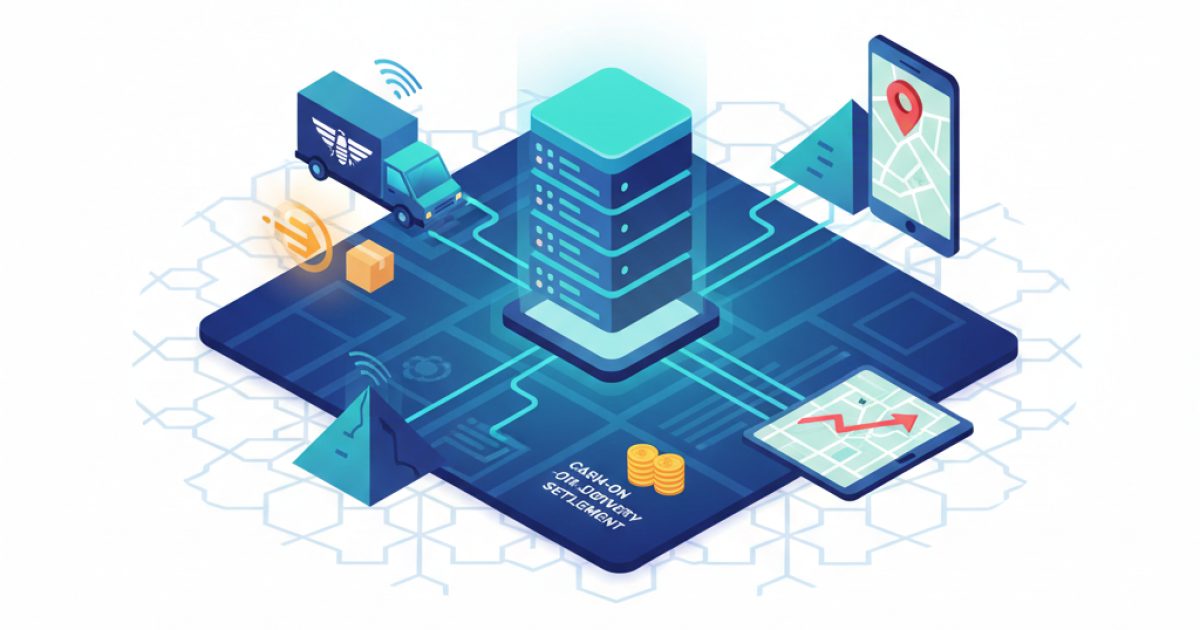
A PDF on a screen is not an electronic invoice in this sense. Your system must prepare structured invoice data, submit it to the authority's platform, receive a response, and store the result against the original document. That means your software needs a reliable connection to an external service that can be slow, unavailable or strict about data quality.
Core capabilities to look for
Master data that is complete and clean
Submitted documents depend on accurate information about your company, your branches, your customers and your items. Tax registration details, addresses and item classification codes must be stored in structured fields, with validation at the point of entry. Cleaning this data before go-live prevents most rejections.
Document lifecycle management
An invoice is not a single event. Your system should track each document through states such as draft, submitted, accepted, rejected and cancelled, and allow corrections through credit and debit notes instead of silent edits. Once a document is accepted, the original must be protected from change.
Reliable submission
Submission should run in the background, with retries when the service is unavailable, so a cashier or accountant is never blocked by a timeout. Each attempt should be logged with the request, the response and any validation messages, in a form support staff can read.
Electronic signing and credentials
Submissions typically require secure credentials and digital signing. Keep secrets encrypted, restrict who can change them, and plan for certificate renewal so that a lapse does not stop invoicing on a busy day.
Handling both invoices and receipts
Retail and restaurant businesses issue many small sales at the point of sale. Check whether your POS can send e-receipts quickly, queue them when the internet drops, and reconcile them later. A system that depends on a live connection for every sale is risky in shops with unstable internet.
Our Narmar POS & ERP suite is built for retail and restaurants with accounting, inventory, CRM, manufacturing and repair modules, which is why this type of document flow has to be designed into the core rather than added on top.
Arabic and bilingual output
Customers and auditors often expect invoices in Arabic or in both languages. Test that printed and PDF invoices render right-to-left text, numbers and currency correctly, and that long item names do not break the layout. Include the identifiers and codes your accountant needs on every document.
Audit trail and reporting
- Every change to an invoice, a customer or a price is recorded with the user and time.
- Reports reconcile what was issued in your system with what the authority accepted.
- Rejected documents appear in a clear work queue with the reason and a way to fix and resubmit.
- Exports are available for your accountant and for audits.
Testing before you go live
Use the authority's testing environment where available, and run a realistic set of scenarios: normal sales, discounts, returns, mixed tax items, foreign customers, cancellations and large batches. Test failure cases too, such as an expired credential or a service outage, and confirm that the system recovers without losing documents.
Questions to ask any vendor
- Is your integration with the Egyptian Tax Authority system live in production for other customers today?
- How do you handle submission failures, retries and resubmission of rejected documents?
- How quickly do you update the product when the authority changes its requirements, and is that included in support?
- Can we export all invoice data and submission logs?
- Who supports us locally, and in what hours?
Plan for change
Tax systems evolve. Choose software where the integration lives in one well-tested module, behind a clear interface, so that a change in the authority's format means updating one place and not the entire application. Budget for ongoing maintenance, not only the first implementation.
If you need e-invoicing in a new or existing system, the Narmar team can review your processes and design the integration with you. Explore our services or contact us to discuss your requirements.